As a boy one afternoon I toasted nearly an entire loaf of white bread, buttering each slice to perfection and sprinkling with cinnamon sugar. Nearly complete with my culinary creation Dad walked by suggesting I may have exceeded what was good for me.
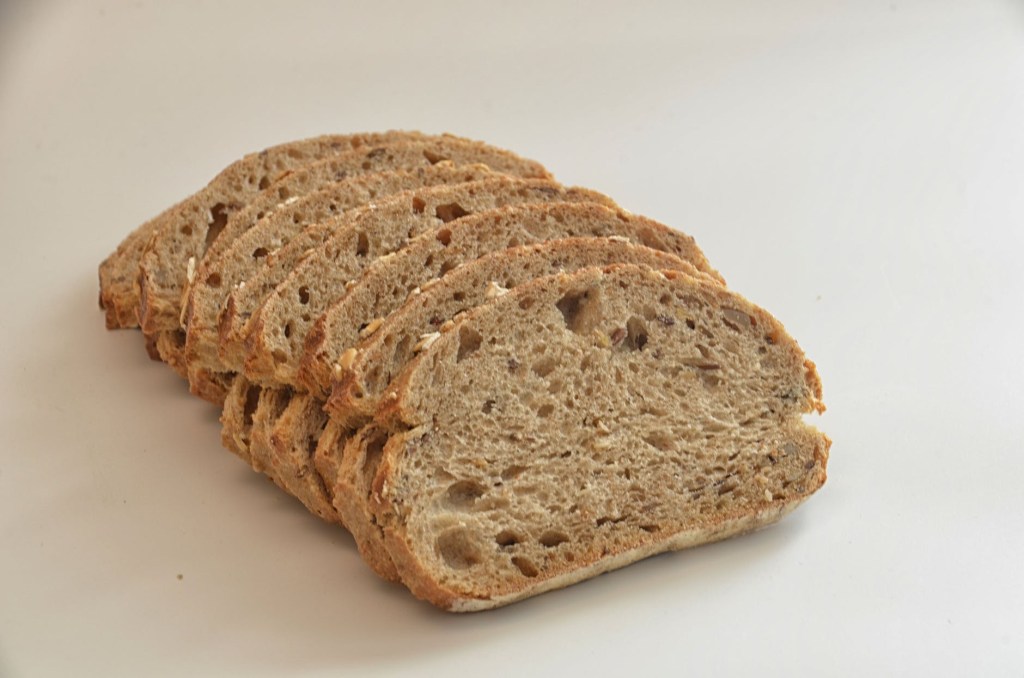
What is whole-grain and why is it preferable to white bread, sometimes called “enriched” grain?
Background
A whole-grain is food from a plant which contains three major components: bran, endosperm, and germ.
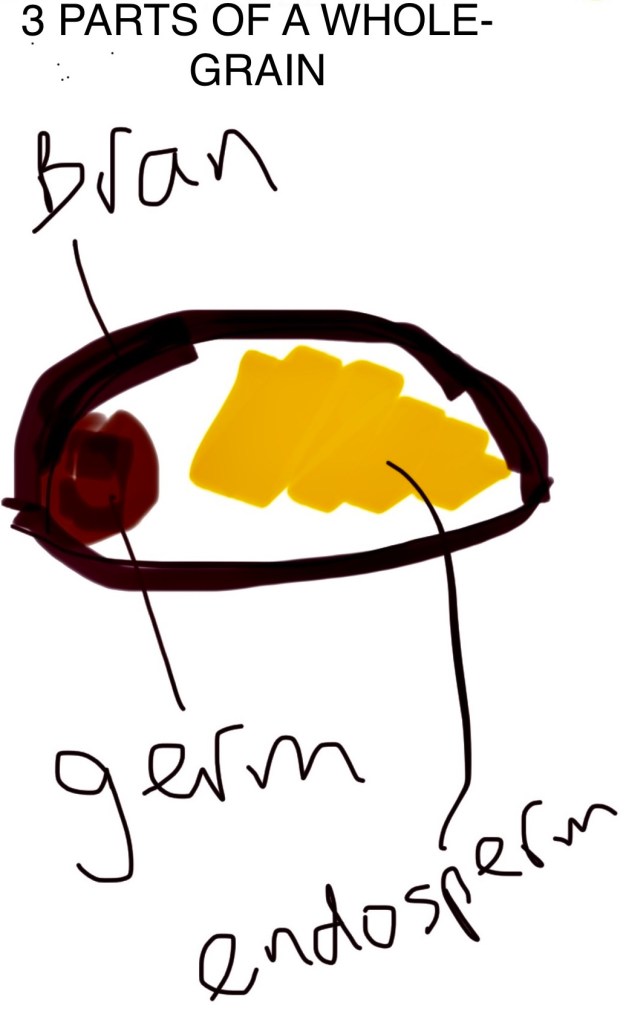
BRAN is the outer layer containing anti-oxidants, B Vitamins, and fiber.
GERM is the part of the plant which would become a new plant (if you weren’t already eating it) which contains B Vitamins, proteins, minerals, and healthy fats.
ENDOSPERM is (was) the GERM’s food supply. Now it’s your food supply—containing starchy carbohydrates, proteins, and some vitamins and minerals.
Benefits of Whole-Grain Consumption
According to WebMD, “Whole grains are packed with nutrients including protein, fiber, B vitamins, antioxidants, and trace minerals (iron, zinc, copper, and magnesium). A diet rich in whole grains has been shown to reduce the risk of heart disease, type 2 diabetes, obesity, and some forms of cancer.”1
Further, “Whole-grain diets can also improve bowel health by helping to maintain regular bowel movements and promote growth of healthy bacteria in the colon.”1
“Enriched” Grains
Sounds good for you, right? Wrong. This kind of grain contains only the endosperm, bran and germ having been removed.2 People were malnourished so the U.S. government required confectioners to put vitamins and minerals back in the grain in an effort to replace what was removed.
Bran and germ give bulk and coarseness to bread and other foods made from it so for baking and cooking delicate dishes, consumers went wild for these products because of their smooth, delicate textures and tastes.
Never?
Nope. Enriched, refined grains—used to make donuts, cakes, cookies, pastries, rolls—add pleasure to life and eating. Many family traditions and memories include these culinary delights. These tasty treats are part of a nutritious diet and balanced lifestyle, precisely because they help us achieve just that, balance.
When a person operates from a deprivation mindset, he or she tends to overindulge. He/she may think, “I don’t know when I’ll get to have this food again…” often resulting in overeating.
Try this
USDA recommends making at least half your grains whole-grains.3
It’s easiest to do this in the morning after you’re rested. When you start right it’s easier to stay right. Plus, a lot of breakfast options include whole grains such as whole grain breakfast cereals, hot cereals such as oatmeal, cracked wheat, or whole wheat French toast (see 003 French Toast the Most https://youthrivenet.wordpress.com/2021/10/28/french-toast-the-most/).
When you grocery shop, here are some whole-grain options:
- Whole-grain corn
- Whole oats/oatmeal
- Popcorn
- Brown rice
- Whole rye
- Whole-grain barley
- Wild rice
- Buckwheat
- Triticale
- Bulgur (cracked wheat)
- Millet
- Quinoa
- Sorghum
- 100% whole wheat flour.1
One of the great things about eating is we do it multiple times a day so if we don’t have a ideal meal we can iterate and improve the next one. Build yourself up and give yourself credit each time you do a healthy habit.
2 https://en.wikipedia.org/wiki/Whole_grain
3 https://www.myplate.gov/tip-sheet/make-half-your-grains-whole-grains
 You-Thrive.net